The global travel landscape is undergoing a deliberate shift. As classic capitals face historic crowds and environmental pressure, travelers in 2026 are rethinking how and where they journey. The focus has moved away from checklist tourism toward meaningful exploration, leading search trends for emerging travel destinations 2026 to record highs.
Today’s travelers prioritize authentic culture, uncrowded landscapes, and places where tourism actively supports local economies. From newly accessible mountain valleys to overlooked coastal stretches, up-and-coming travel destinations offer the space, depth, and rich experiences that over-visited hubs increasingly struggle to provide.
Why Travelers Are Looking Beyond Traditional Tourist Hotspots
The rise of alternative travel destinations is driven by several cultural and practical factors that are changing global travel habits:
-
Overtourism Avoidance: High-traffic European capitals and famous resort towns are enforcing stricter visitor caps, tourist taxes, and timed-entry rules. Travelers are responding by choosing underrated travel destinations that offer room to breathe.
-
Demand for Cultural Authenticity: Modern travelers prefer immersive local experiences—such as traditional artisan craft routes or regional food traditions—over standardized tourist corridors.
-
Improved Infrastructure & Regional Flight Routes: The expansion of regional airports and high-speed rail lines has made secondary cities and remote regions significantly easier to reach without complicated transfers.
-
Focus on Nature and Wellness: Expansive open spaces, high-altitude trekking trails, and untouched coastlines are top priorities for travelers seeking balance and outdoor activity.
-
Responsible & Sustainable Tourism: Travelers increasingly want their spending to stay within local communities, benefiting independent guesthouses, regional guides, and local conservation initiatives.
Emerging Travel Destinations to Watch in 2026
1. Beni Mellal, Morocco
Nestled at the foot of the Middle Atlas Mountains along the plains of Tadla, Beni Mellal serves as a compelling alternative to Marrakech. Known for its lush agricultural valley, historic strongholds, and natural springs, this interior city offers a calm, authentic window into Moroccan mountain life.
┌────────────────────────┬─────────────────────────────────────────────────────────┐
│ Best Time to Visit     │ March to May & September to November                    │
├────────────────────────┼─────────────────────────────────────────────────────────┤
│ Ideal Traveler         │ Hikers, culture enthusiasts, slow travelers             │
├────────────────────────┼─────────────────────────────────────────────────────────┤
│ Top Attractions        │ Ain Asserdoun springs, Kasbah Ras el-Ain, Ouzoud Falls  │
└────────────────────────┴─────────────────────────────────────────────────────────┘
-
What Makes It Worth Visiting: It offers access to the Atlas region without the dense tour groups found in major coastal or imperial cities.
-
Key Experiences: Explore the terraced gardens of Ain Asserdoun, trek through nearby limestone gorges, and visit rural Berber markets.
-
Food & Culture: Enjoy traditional mountain tagines cooked with local olives, dried fruits, and fresh mint tea from roadside orchards.
-
Practical Considerations: While main highways are well-maintained, private transport or rented vehicles are recommended for exploring mountain valleys. Basic French or Darija (Moroccan Arabic) is helpful for local interactions.
2. Bacalar, Mexico
Located in southern Quintana Roo near the Belize border, Bacalar centers around the “Lagoon of Seven Colors”—a 26-mile freshwater lake fed by underground cenotes. It stands out as a tranquil, eco-conscious alternative to the bustling resort strips farther north.
┌────────────────────────┬─────────────────────────────────────────────────────────┐
│ Best Time to Visit     │ December to April                                       │
├────────────────────────┼─────────────────────────────────────────────────────────┤
│ Ideal Traveler         │ Nature lovers, kayakers, eco-conscious travelers        │
├────────────────────────┼─────────────────────────────────────────────────────────┤
│ Top Attractions        │ Fort San Felipe, Canal de los Piratas, Cenote Azul       │
└────────────────────────┴─────────────────────────────────────────────────────────┘
-
What Makes It Worth Visiting: The town enforces strict environmental regulations on boat engines to protect its fragile living mineral structures (stromatolites).
-
Key Experiences: Kayak at sunrise over calm, multi-hued waters, drift through natural mangrove channels, and explore 18th-century Spanish fortresses.
-
Food & Culture: Enjoy fresh Mayan-inspired seafood dishes, coastal ceviches, and organic slow-food dining along the water.
-
Practical Considerations: Motorized water sports are restricted on specific days to preserve water quality. Always verify local eco-rules before booking tours.
3. Tartu, Estonia
Named a European Capital of Culture, Tartu is the intellectual and artistic heart of Estonia. Home to one of Northern Europe’s oldest universities, the city balances historic wooden architecture with a energetic creative community and digital-first infrastructure.
┌────────────────────────┬─────────────────────────────────────────────────────────┐
│ Best Time to Visit     │ May to September                                        │
├────────────────────────┼─────────────────────────────────────────────────────────┤
│ Ideal Traveler         │ History buffs, digital nomads, solo explorers           │
├────────────────────────┼─────────────────────────────────────────────────────────┤
│ Top Attractions        │ Estonian National Museum, Supilinn, Toome Hill Park    │
└────────────────────────┴─────────────────────────────────────────────────────────┘
-
What Makes It Worth Visiting: It showcases Nordic-Baltic culture without the heavy cruise ship traffic found in larger Baltic ports.
-
Key Experiences: Walk through the historic Supilinn (“Soup Town”) neighborhood, explore world-class digital and ethnographic museums, and enjoy riverside cafes along the Emajõgi.
-
Food & Culture: Sample modern Baltic cuisine using rye, regional berries, wild mushrooms, and smoked fish.
-
Practical Considerations: Tartu is easily connected to Tallinn via direct, high-speed train services equipped with reliable Wi-Fi.
4. Rize & The Black Sea Highlands, Türkiye
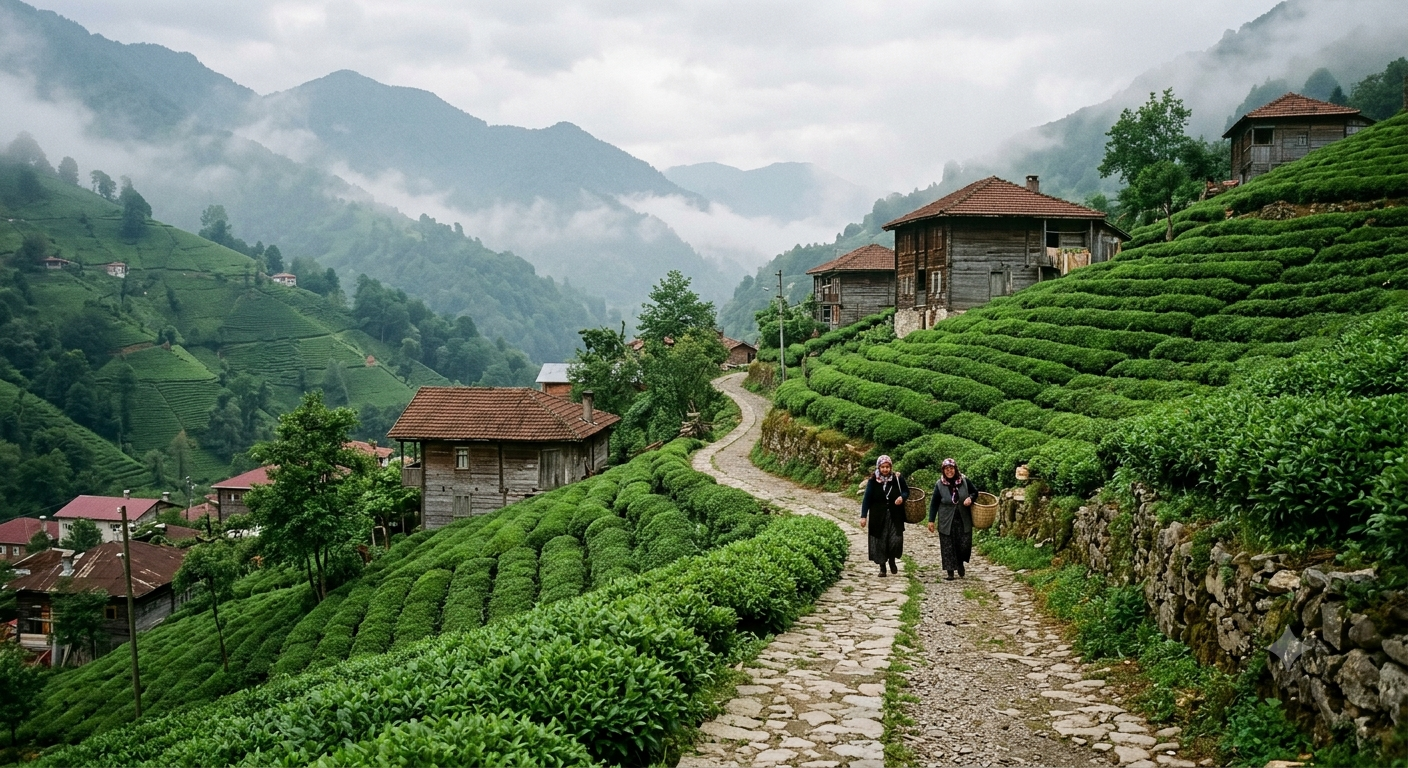
Rize lies on the steep, rain-forested slopes of northeastern Türkiye along the Black Sea. Known as the center of Turkish tea production, this alpine region features emerald-green mountain valleys, rushing rivers, and Ottoman-era stone bridges.
┌────────────────────────┬─────────────────────────────────────────────────────────┐
│ Best Time to Visit     │ June to September                                       │
├────────────────────────┼─────────────────────────────────────────────────────────┤
│ Ideal Traveler         │ Outdoor adventurers, tea enthusiasts, mountain trekkers │
├────────────────────────┼─────────────────────────────────────────────────────────┤
│ Top Attractions        │ Pokut Plateau, Zilkale Fortress, Fırtına River Valley  │
└────────────────────────┴─────────────────────────────────────────────────────────┘
-
What Makes It Worth Visiting: It contrasts sharply with Türkiye’s Mediterranean coast, offering cool alpine air, dramatic mountain scenery, and distinctive Laz and Hemşin cultural traditions.
-
Key Experiences: Stay in wooden high-altitude mountain lodges, trek through misty tea plantations, and explore remote medieval castles.
-
Food & Culture: Try Mıhlama (a rich local cornmeal and melted cheese fondue) accompanied by freshly brewed Black Sea tea.
-
Practical Considerations: Mountain weather shifts rapidly. Rain gear is essential year-round, and four-wheel-drive vehicles are often necessary for high plateaus.
5. Majuli, India
Floating on the Brahmaputra River in Assam, Majuli is one of the world’s largest inhabited river islands. It serves as the cultural center of Assamese Neo-Vaishnavism, home to centuries-old monastic centers known as Satras.
┌────────────────────────┬─────────────────────────────────────────────────────────┐
│ Best Time to Visit     │ October to March                                        │
├────────────────────────┼─────────────────────────────────────────────────────────┤
│ Ideal Traveler         │ Cultural historians, birdwatchers, slow travelers       │
├────────────────────────┼─────────────────────────────────────────────────────────┤
│ Top Attractions        │ Kamalabari Satra, Samaguri Satra, bird sanctuaries       │
└────────────────────────┴─────────────────────────────────────────────────────────┘
-
What Makes It Worth Visiting: Majuli provides a rare opportunity to observe living monastic traditions, handmade pottery practices, and traditional mask-making.
-
Key Experiences: Rent a bicycle to explore quiet village roads, observe traditional handloom weaving, and watch mask-makers craft intricate ceremonial art.
-
Food & Culture: Savor traditional Assamese meals cooked with aromatic herbs, bamboo shoots, and locally cultivated organic rice varieties.
-
Practical Considerations: Reaching the island requires ferry rides from Jorhat. Ferry operating schedules depend on seasonal river water levels.
6. Mũi Né, Vietnam
Situated along Vietnam’s south-central coast, Mũi Né has evolved from a sleepy fishing outpost into an active destination for watersports and outdoor landscapes. Modern highway connections from Ho Chi Minh City have made this coastal stretch accessible while keeping its relaxed feel intact.
┌────────────────────────┬─────────────────────────────────────────────────────────┐
│ Best Time to Visit     │ November to April                                       │
├────────────────────────┼─────────────────────────────────────────────────────────┤
│ Ideal Traveler         │ Kitesurfers, active couples, budget-conscious travelers │
├────────────────────────┼─────────────────────────────────────────────────────────┤
│ Top Attractions        │ White Sand Dunes, Red Sand Dunes, Fairy Stream          │
└────────────────────────┴─────────────────────────────────────────────────────────┘
-
What Makes It Worth Visiting: Its wind conditions make it a premier destination for kitesurfing, complemented by striking desert-like dune landscapes right along the coast.
-
Key Experiences: Sandboard down the White Sand Dunes at sunrise, wade through the shallow waters of the Fairy Stream canyon, and watch colorful round fishing boats return at dawn.
-
Food & Culture: Enjoy daily catches at open-air beachfront eateries, featuring grilled scallops, lemongrass clams, and regional fish soups.
-
Practical Considerations: Wind conditions peak between November and March, making it ideal for watersports but occasionally drafty for casual swimming.
7. Jaffna, Sri Lanka
Located at the northern tip of Sri Lanka, Jaffna offers a distinct cultural experience shaped by Tamil heritage, historic Hindu architecture, and a resilient coastal spirit. As regional transport links expand, it has become a compelling stop for travelers seeking depth beyond the southern beaches.
┌────────────────────────┬─────────────────────────────────────────────────────────┐
│ Best Time to Visit     │ January to September                                    │
├────────────────────────┼─────────────────────────────────────────────────────────┤
│ Ideal Traveler         │ Heritage seekers, food lovers, off-the-beaten-path fans │
├────────────────────────┼─────────────────────────────────────────────────────────┤
│ Top Attractions        │ Nallur Kandaswamy Kovil, Jaffna Fort, Nainativu Island  │
└────────────────────────┴─────────────────────────────────────────────────────────┘
-
What Makes It Worth Visiting: It highlights a vibrant Tamil culture, distinct architectural landmarks, and coastal islands connected by causeways.
-
Key Experiences: Attend evening rituals at golden-domed temples, walk the ramparts of colonial coastal forts, and take local ferries to remote offshore islands.
-
Food & Culture: Try regional northern specialties, including Jaffna crab curry, roasted mango chutneys, and pittu (steamed rice and coconut cylinders).
-
Practical Considerations: While main travel routes are fully operational, visitors should respect local customs, particularly when entering active religious sites.
8. The Albanian Riviera (Himarë & Dhërmi), Albania
Stretching along the Ionian Sea, the Albanian Riviera features clear turquoise waters, hidden coves, and dramatic coastal mountains. It stands out as one of Europe’s most affordable and scenic Mediterranean alternatives.
┌────────────────────────┬─────────────────────────────────────────────────────────┐
│ Best Time to Visit     │ May to June & September to October                      │
├────────────────────────┼─────────────────────────────────────────────────────────┤
│ Ideal Traveler         │ Coastal road-trippers, sun-seekers, value-focused trips │
├────────────────────────┼─────────────────────────────────────────────────────────┤
│ Top Attractions        │ Gjipe Canyon, Himarë Castle, Porto Palermo Fort        │
└────────────────────────┴─────────────────────────────────────────────────────────┘
-
What Makes It Worth Visiting: It delivers Mediterranean coastal scenery at a fraction of the cost of classic Southern European resort regions.
-
Key Experiences: Hike down through rocky canyons to reach quiet beaches, explore Ali Pasha’s coastal fortresses, and paddle along hidden sea caves.
-
Food & Culture: Savor fresh grilled seafood, local cheeses, and olive oils heavily influenced by Greek and Italian culinary traditions.
-
Practical Considerations: Coastal roads are scenic but winding. Driving requires care, and booking accommodation in advance is wise for peak summer months.
How to Choose an Emerging Destination for Your 2026 Trip
Selecting trending destinations 2026 involves matching your travel goals with local logistics:
-
Evaluate Infrastructure: Underrated locations may have limited public transit options. Decide whether you are comfortable renting a car, using regional buses, or hiring local guides.
-
Align with Travel Style: If you prefer structured days, choose destinations with established tour networks like Tartu or Bacalar. If you enjoy spontaneous exploration, remote spots like Rize or Majuli offer flexibility.
-
Factor in Seasonality: Secondary destinations often have pronounced high and low seasons. Check weather patterns carefully—such as monsoon schedules in South Asia or winter closures in mountain plateaus.
-
Review Visa & Entry Rules: Always check official government portals and embassy sources for the latest visa regulations, permits, and entry requirements before making travel arrangements.
Responsible Travel Matters in Emerging Destinations
As new locations gain popularity, responsible travel practices help protect their natural environment and community life:
-
Support Local Businesses: Choose locally owned guesthouses, family-run restaurants, and certified regional guides to ensure tourism revenue directly supports the local economy.
-
Minimize Environmental Footprint: Respect fragile ecosystems by carrying reusable water containers, adhering to marked hiking trails, and following local waste management rules.
-
Respect Local Customs: Research dress codes, religious etiquette, and photography guidelines—especially when visiting traditional villages, temples, or residential communities.
-
Distribute Travel Footprint: Plan visits during shoulder seasons to reduce seasonal pressure on water supplies, road networks, and local services.
Final Thoughts
Exploring new travel hotspots in 2026 offers direct access to rich cultures, distinct landscapes, and uncrowded sights. By looking beyond traditional travel capitals, you support balanced tourism development while creating memorable, authentic journeys. As you plan your next trip, always verify entry rules, health guidelines, and seasonal information through official government travel advisory boards and regional tourism organizations to ensure a seamless experience.